

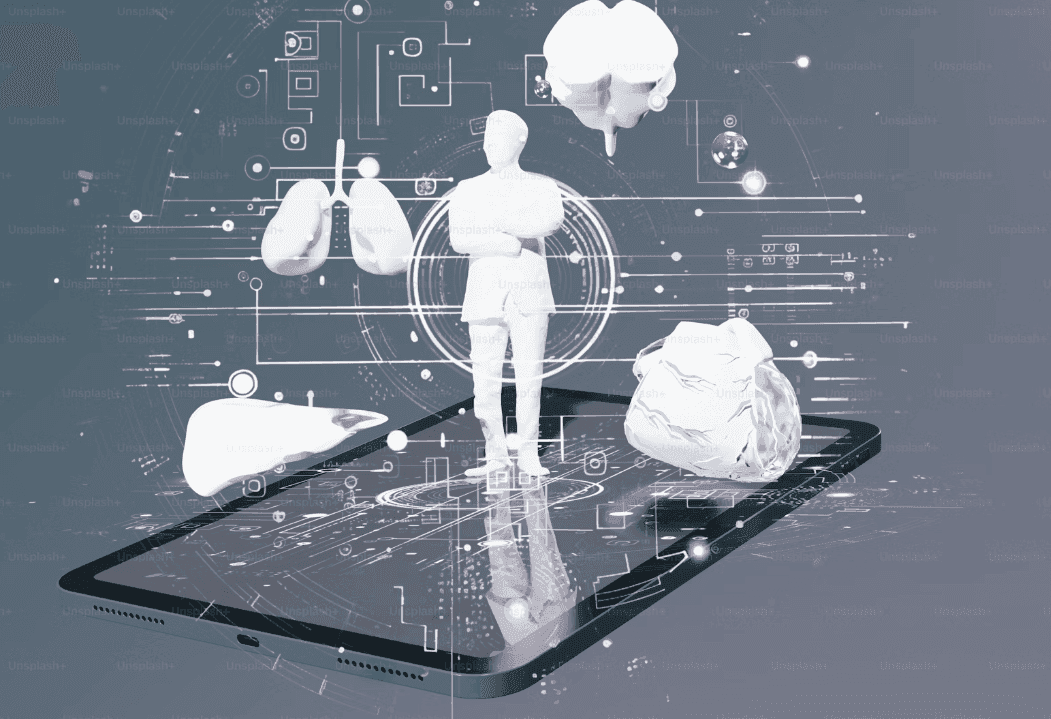
How AI is Revolutionizing Healthcare in 2024
🌐 AI in Healthcare 2024: Revolutionizing Patient Care, Diagnostics, and Research 🏥
"Artificial Intelligence is not just transforming healthcare; it’s creating a paradigm shift towards smarter, faster, and more personalized medical care."
Introduction
Artificial Intelligence (AI) has rapidly evolved from a futuristic concept to a critical component of healthcare systems worldwide. AI’s integration into healthcare is not just enhancing existing medical practices but is also pioneering new approaches to diagnostics, personalized medicine, patient engagement, and surgical precision. As we navigate through 2024, AI is poised to bring significant advancements in the field, making healthcare more efficient, accurate, and patient-centric.
This blog dives deep into the latest advancements in AI-driven healthcare, exploring how AI is shaping the future of medicine. It covers various applications, supported by data, examples, and impactful statistics.
1. AI in Diagnostics: Enhancing Accuracy and Speed 🔬
AI's capability to analyze complex medical data swiftly and accurately is transforming the diagnostic landscape. From detecting diseases earlier to improving accuracy in medical imaging, AI is making healthcare diagnostics more reliable.
Key Innovations in AI Diagnostics:
a. AI-Powered Imaging
- AI algorithms are used to interpret X-rays, CT scans, and MRIs with precision, often exceeding human accuracy.
- According to Frost & Sullivan, the global AI diagnostic imaging market is expected to reach $3 billion by 2024, growing at a CAGR of 28.8%.
- AI diagnostic tools like Google DeepMind have achieved a 95% accuracy rate in detecting breast cancer from mammograms, compared to an 88% accuracy rate by human radiologists (JAMA, 2023).
b. Predictive Analytics in Diagnostics
- AI models analyze patient data, symptoms, and medical history to predict diseases like cancer, diabetes, and cardiovascular conditions earlier than traditional methods.
- AI-based prediction models have significantly reduced the time needed for disease detection, improving outcomes for conditions such as lung cancer, where early diagnosis can increase survival rates by 20% (American Cancer Society, 2023).
AI Diagnostic Area | AI Tool/Technology | Accuracy Improvement | Impact |
Medical Imaging | Google DeepMind | 95% in breast cancer detection | Faster and more accurate diagnoses |
Disease Prediction | IBM Watson Health | 85% predictive accuracy in heart diseases | Early interventions, reduced mortality |
Genomics for Diagnosis | AI-powered genome sequencing | 90% faster genetic anomaly detection | Targeted treatments and personalized care |
Image Placeholder: Illustration of an AI algorithm analyzing medical images alongside healthcare professionals.
Why It Matters: Faster and more accurate diagnoses allow for timely treatment, reducing patient mortality and healthcare costs.
Learn more: AI in Medical Imaging
2. AI in Personalized Medicine: Tailoring Treatments to Individuals 🧬
AI is driving the shift toward personalized medicine, where treatments are tailored to an individual’s genetic makeup, medical history, and lifestyle. This approach aims to maximize treatment efficacy while minimizing adverse effects.
Key Innovations in Personalized Medicine:
a. Genomics and AI Integration
- AI models analyze genomic data to identify the best treatments for individual patients.
- By 2024, the global AI in genomics market is projected to exceed $2.1 billion, driven by advancements in precision medicine (MarketsandMarkets).
- AI tools like Deep Genomics have accelerated the identification of genetic anomalies, leading to more effective treatments.
b. AI in Drug Matching
- AI algorithms help match patients with the most suitable medications based on genetic factors, thereby reducing trial-and-error prescriptions.
- AI-driven personalized medicine has improved treatment effectiveness by 50% and reduced adverse drug reactions by 40% (Harvard Medical School, 2023).
AI in Personalized Medicine | Technology Used | Improvement Metrics | Outcome |
Genomics Analysis | AI-powered genome sequencing | 2x faster anomaly detection | More accurate treatment plans |
Drug Matching | AI algorithm-based matching | 50% improvement in treatment efficacy | Reduction in adverse reactions |
Image Placeholder: Illustration of DNA strands being analyzed by AI-powered systems, symbolizing the fusion of AI and genomics.
Why It Matters: AI enhances personalized medicine, making treatments more precise and effective, ultimately improving patient outcomes.
Learn more: AI in Genomics and Personalized Medicine
3. AI in Virtual Health Assistants: Boosting Patient Engagement 🗣️
AI-driven virtual health assistants engage patients, manage appointments, offer health advice, and improve medication adherence.
Key Innovations in Virtual Health Assistants:
a. AI-Powered Chatbots
- AI chatbots provide 24/7 support for patients, assisting with medication reminders, scheduling, and answering basic health questions.
- According to Gartner, 70% of healthcare providers are expected to integrate AI chatbots by the end of 2024 to enhance patient engagement.
b. Conversational AI for Chronic Conditions
- AI tools monitor patients with chronic diseases, improving adherence rates by up to 30% (McKinsey & Company, 2023).
- Examples like Ada Health and Babylon Health use AI to engage users, offering symptom checks and personalized health advice.
Virtual Health Assistant Type | Functionality | Patient Impact | Integration Rate |
AI Chatbots | Medication reminders, appointment scheduling | 24/7 availability, increased engagement | 70% of providers by 2024 |
Conversational AI | Chronic disease monitoring | 30% increase in adherence | Widely used in chronic care |
Image Placeholder: Visual of a virtual health assistant interacting with a patient on a smartphone.
Why It Matters: Virtual health assistants reduce healthcare provider workloads while enhancing patient engagement and care continuity.
Learn more: How AI Chatbots are Revolutionizing Patient Care
4. AI in Predictive Healthcare: Anticipating Patient Needs 🔮
Predictive healthcare uses AI to forecast patient health trends, identify risks, and provide proactive interventions.
Key Innovations in Predictive Healthcare:
a. Predictive Analytics in Emergency Care
- AI predicts hospital admissions by analyzing patient data, symptoms, and risk factors.
- Stanford Medicine reports that predictive healthcare reduced ER admissions by 20% and hospital readmissions by 15% in 2023.
b. Early Warning Systems (EWS)
- AI-based EWS predict life-threatening conditions like sepsis with over 90% accuracy, enabling timely interventions (American Journal of Medicine, 2023).
Predictive AI Technology | Application | Accuracy | Impact |
Predictive Analytics | Emergency care management | 85% predictive accuracy | Reduced admissions, better resource allocation |
Early Warning Systems | Sepsis prediction | 90% accuracy | Improved survival rates |
Image Placeholder: Diagram of a predictive healthcare model showing AI algorithms anticipating patient needs and triggering alerts.
Why It Matters: Predictive healthcare minimizes medical emergencies, reduces costs, and improves survival rates through timely interventions.
Learn more: AI in Predictive Healthcare
5. AI in Medical Research: Accelerating Drug Discovery 💊
AI accelerates the drug discovery process by analyzing massive datasets, predicting drug efficacy, and designing new drug molecules.
Key Innovations in AI-Powered Medical Research:
a. AI-Driven Drug Discovery
- AI models analyze datasets to identify potential drug candidates quickly.
- AI has reduced drug development timelines by 25%, and this is expected to improve further in 2024 (Deloitte, 2023).
b. Optimizing Clinical Trials
- AI helps in identifying suitable trial participants and improves trial management, increasing trial success rates by 30% (PharmaTech, 2023).
AI in Medical Research | Functionality | Outcome | Improvement Rate |
AI-Powered Drug Discovery | Drug candidate identification | 25% reduction in development time | Faster, cost-effective treatments |
Clinical Trials Optimization | Participant selection, trial management | 30% increase in success rates | More efficient drug trials |
Image Placeholder: Illustration of AI analyzing chemical compounds and molecular structures for drug discovery.
Why It Matters: AI reduces the cost and time needed for drug development, bringing life-saving medications to market faster.
Learn more: AI in Drug Discovery
6. AI in Robotic Surgery: Precision and Speed 🤖
AI in robotic surgery enhances the precision of surgical procedures, minimizes human error, and reduces recovery times.
Key Innovations in AI-Enhanced Robotic Surgery:
a. AI-Assisted Robotic Arms
- AI guides robotic arms during surgery, improving accuracy by 25% and reducing complications (National Institutes of Health, 2023).
- AI-driven platforms like da Vinci Surgical System and Mako Robotic Surgery enable more precise incisions and better patient outcomes.
b. Real-Time Data Analytics in Surgery
- AI analyzes patient data during surgery, providing real-time feedback for optimal decisions.
AI in Robotic Surgery | Functionality | Improvement Rate | Outcome |
AI-Assisted Robotic Arms | Precision in procedures | 25% reduction in complications | Faster recovery, minimized errors |
Real-Time Analytics | Data-driven decisions | Improved surgical outcomes | Enhanced patient safety |
Image Placeholder: Visual of AI-powered robotic arms assisting in surgery, showcasing precision and control.
Why It Matters: AI enhances surgical outcomes by reducing errors and improving precision, leading to faster patient recovery.
Learn more: AI in Robotic Surgery
7. AI in Administrative Tasks: Streamlining Healthcare Operations 🗂️
AI simplifies healthcare administration by managing patient records, billing, and scheduling more efficiently.
Key Innovations in AI-Driven Administration:
a. Automated Medical Coding and Billing
- AI automates coding, reducing manual errors and speeding up billing cycles.
- AI-based billing systems have cut processing times by 40% and improved claim approval rates by 20% (Healthcare IT News, 2023).
b. Smart Scheduling Systems
- AI optimizes appointment scheduling, reducing patient wait times by up to 50%.
AI in Healthcare Administration | Functionality | Outcome | Improvement Metrics |
Automated Medical Coding | Coding and billing automation | 40% reduction in processing time | Faster, error-free billing |
Smart Scheduling Systems | Appointment optimization | 50% reduction in wait times | Improved patient satisfaction |
Image Placeholder: Illustration of an AI-powered dashboard managing patient records, schedules, and billing processes.
Why It Matters: AI reduces administrative burdens, allowing healthcare professionals to focus more on patient care and improving overall efficiency.
Learn more: AI in Healthcare Administration
Conclusion: AI’s Ongoing Impact in 2024 🌟
AI is reshaping healthcare by improving diagnostics, enabling personalized treatments, accelerating drug discovery, and enhancing patient engagement. The advancements highlighted in this blog demonstrate AI’s immense potential to transform healthcare into a more efficient, patient-centered, and proactive system. As AI continues to evolve, it will drive further innovations in healthcare, making treatment more accessible, cost-effective, and personalized.
Key Takeaways:
- AI diagnostics increase accuracy and speed, leading to better patient outcomes.
- Personalized medicine, powered by AI, tailors treatments to individual patient profiles.
- AI-driven predictive healthcare anticipates patient needs, reducing emergency visits.
- AI in drug discovery shortens development timelines, making new treatments available sooner.
Final Thoughts:
AI’s role in healthcare is only growing stronger. In 2024 and beyond, expect even greater advancements in AI technologies that will save lives, reduce costs, and enhance patient care.


